
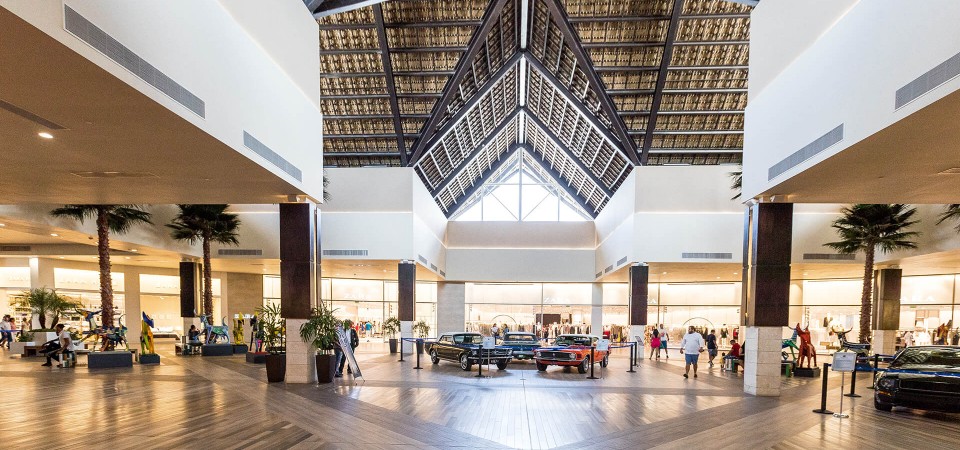
Punta Cana represents a compelling investment opportunity for luxury retail expansion, driven by a converging set of factors: annual tourism of 6.5 million visitors, a Dominican Republic luxury goods market valued at $499 million with 5.43% annual growth, and a high-net-worth demographic concentrated in the region. However, the venture requires careful capital planning, strategic inventory management, and operational discipline to overcome regulatory complexity, high import tariffs, and seasonal tourism volatility. Initial capital requirements range from $300,000 to $500,000 for a full-service brick-and-mortar operation, with realistic ROI timelines of 2-4 years depending on location, brand positioning, and execution.
Market Dynamics and Opportunity Assessment
Tourism-Driven Demand Base
Punta Cana’s tourism infrastructure provides the primary revenue driver for luxury retail. The destination welcomed approximately 6.5 million visitors in 2024, representing 59.7% of the Dominican Republic’s total 10.3 million arrivals. Cruise traffic contributes an additional 2.3 million passengers annually, with new ports planned for expansion. Importantly, this visitor base skews toward affluent demographics: North American tourists (39%), Europeans, and increasingly, Latin American high-net-worth individuals who explicitly target luxury shopping experiences.
The seasonal concentration of tourism—peaks during December to April, with 25-30% higher traffic than off-peak months—creates both opportunity and operational risk. Properties in high-traffic zones achieve 70-80%+ annual occupancy rates, translating to consistent foot traffic and transactional volume during peak periods, though off-season revenue planning is essential.
Luxury Market Characteristics
The Dominican Republic’s luxury goods market reached $499 million in 2025 and is projected to grow at 5.43% annually through 2030. Within this market, jewelry and watches (particularly authentic Caribbean gemstones like Larimar) and designer fashion represent the largest segments. eCommerce luxury goods, while nascent at $34.15 million, are growing rapidly, indicating consumer adoption of digital channels.
Key brands already establish in the market—Chanel, Dolce & Gabbana, Prada, and Cartier—demonstrate investor confidence. However, established retailers like BlueMall Punta Cana and Casa de Campo occupy premium anchor positions, requiring differentiation through specialized product curation, exclusive collections, or underserved categories (e.g., luxury athleisure, sustainable luxury, regional designers).
Real Estate and Location Strategy
Commercial Property Costs
Commercial real estate in Punta Cana varies significantly by location and development stage. Downtown Punta Cana retail spaces range from 38.5 to 159.3 square meters, priced between $121,275 and $333,900 for purchase. For leasing, monthly rates for comparable 38-50 square meter spaces start at approximately $1,200, though premium locations in established shopping centers command $2,000-$4,000+ monthly.
Pricing per square meter for commercial leases averages $22-$35/m² monthly in beachfront and resort-adjacent areas, with 8-12% annual appreciation projections. The optimal retail footprint for a luxury store is typically 80-150 square meters—sufficient for display, fitting rooms, and customer service without excessive overhead.
Location Selection Framework
BlueMall Punta Cana and Downtown Punta Cana emerge as the two strategic anchor options:
| Location | Foot Traffic | Target Customer | Monthly Rent (80m²) | Fit for Luxury Retail |
|---|---|---|---|---|
| BlueMall Punta Cana | Very High (Mixed mall traffic) | Tourists + locals | $2,400-$3,200 | Excellent—established luxury destination |
| Downtown Punta Cana | High (Growing commercial zone) | Tourists + expats | $1,600-$2,400 | Very Good—emerging, lower cost |
| Cap Cana (Premium Gated) | Moderate (Ultra-affluent residents) | HNWI residents + guests | $3,000-$4,500 | Excellent—exclusive positioning |
| El Cortecito/Los Corales | High (Boutique tourist zone) | Beach tourists + affluent | $2,000-$3,200 | Good—strong yield but saturated |
For maximum early-stage revenue, BlueMall or Downtown Punta Cana are optimal; for premium positioning targeting ultra-high-net-worth individuals, Cap Cana justifies higher rent through clientele quality and pricing power.
Capital Requirements and Detailed Cost Analysis
Minimum Entry Scenario ($300,000 total capital)
- Storefront Setup: $50,000 (lease deposit of 3 months + basic renovations)
- Inventory Acquisition: $20,000 (curated starter collection; focus on bestsellers and exclusive items)
- Store Fixtures & Design: $8,000 (essential displays, lighting, security systems)
- E-commerce Platform: $5,000 (basic website with payment processing)
- Marketing & Launch: $10,000 (digital advertising, soft opening, social media)
- Staffing & Training: $15,000 (2 managers for 3 months pre-launch)
- POS System & IT: $6,000 (point-of-sale hardware/software)
- Working Capital Reserve: $170,000 (for first 6 months operations and contingencies)
This scenario assumes leasing a 80-100m² space in Downtown Punta Cana or secondary locations, with inventory focused on high-turnover, low-complexity categories (e.g., accessories, cosmetics, smaller jewelry items).
Maximum Full-Service Scenario ($500,000 total capital)
- Storefront Setup: $150,000 (build-out in premium location with architectural design)
- Inventory Acquisition: $80,000 (comprehensive luxury brand portfolio with variety)
- Store Fixtures & Design: $20,000 (custom fixtures, advanced security, premium aesthetics)
- E-commerce Platform: $15,000 (advanced platform with CRM integration)
- Marketing & Brand Launch: $30,000 (comprehensive campaign, influencer partnerships, PR)
- Staffing & Training: $40,000 (multilingual staff, brand certification training)
- POS System & IT: $6,000
- Working Capital Reserve: $159,000
This scenario enables a flagship 150-180m² operation in BlueMall or Cap Cana, offering concierge services, exclusive collections, and full brand representation.
Import Duties and Landed Costs
A critical overlooked cost is the import duty structure, which significantly impacts gross margin and working capital requirements. Luxury goods face compound taxation:
- Import Duty: 25-35% on watches, jewelry, designer accessories (25% base + shipping/insurance component)
- ITBIS (Sales Tax): 18% standard rate applied to the CIF value (Cost + Insurance + Freight)
- Customs Brokerage Fees: Typically $50-$300 per shipment depending on complexity
Real-world example: A $1,000 luxury watch purchased at wholesale:
- Base cost: $1,000
- Import duty (30%): +$300
- ITBIS (18% of $1,300): +$234
- Customs clearance: +$75
- Landed cost: $1,609 (before retailer markup)
To maintain a healthy 40% retail margin, the watch must retail for approximately $2,250, requiring strategic positioning and customer acquisition investment. This math underscores the importance of:
- Negotiating wholesale pricing aggressively
- Establishing exclusive brand partnerships to reduce duty classifications
- Building inventory slowly with capital-efficient turnover models
- Considering consignment arrangements with international suppliers
Regulatory Framework and Tax Incentives
Business Registration Requirements
Establishing a legal retail operation requires sequential filings with Dominican authorities:
- DGII Registration (Dirección General de Impuestos Internos): Tax and billing compliance authorization
- RNC Enrollment (Registro Nacional de Contribuyentes): Unique tax identification number
- TSS Affiliation (Social Security Treasury): Mandatory for companies with employees
- Commercial Name Registration: ONAPI registration for brand protection
- Incorporation Tax: 1% of registered capital paid to tax authorities
- Municipal Permits: Local zoning and operational approval
- Chamber of Commerce Registration: Professional networking and compliance
Total timeline: 30-45 days; estimated cost: $1,500-$3,000.
CONFOTUR Tax Incentive Program
Law No. 158-01 (CONFOTUR) provides significant advantages for tourism-focused retail investments:
- 15-year property transfer tax exemption: Avoids 3% transfer tax on property acquisition
- 15-year property tax exemption: 1% annual property tax waived
- Income tax exemption potential: Up to 10 years on rental revenue (tourism-related)
- Customs duty exemption: Materials and equipment for business development may qualify
Eligibility requirements:
- Project must promote tourism growth and attract foreign investment
- Must meet international quality standards
- Financial viability with 20-25% profit margin demonstration required
- Official CONFOTUR certification necessary
For a typical $300,000-$500,000 retail investment, CONFOTUR status could yield $15,000-$25,000 in annual tax savings, accelerating ROI by 18-24 months. However, the approval process requires 60-90 days, detailed business plans, and engagement with a Dominican legal advisor (~$2,000-$5,000 in professional fees).
Operational Challenges and Mitigation Strategies
Supply Chain and Inventory Management
The Dominican Republic imposes a multi-layered import regime that extends lead times and increases carrying costs:
- Port Processing: 5-7 days from vessel arrival to customs clearance
- Customs Documentation: Requires commercial invoice, certificate of origin, consular invoice (for some goods)
- Brokerage Coordination: Additional 3-5 days for customs broker processing
- Total Lead Time: 15-25 days from shipment to retail floor
Operational mitigations:
- Diversify sourcing: Establish relationships with 2-3 suppliers in different countries to manage tariff exposure and supply continuity
- Pre-season inventory: Begin ordering 8-10 weeks before peak season (Aug-Sept for Dec-Apr tourism)
- Consignment models: Negotiate consignment arrangements with luxury brands to reduce upfront capital and duty exposure
- Hub strategy: Consider partnering with Miami-based distributors to batch consolidate shipments and negotiate better freight rates
- VUCE registration: Utilize the Dominican Republic’s single window for foreign trade (VUCE) to streamline customs clearance
Labor and Staffing
The Dominican retail sector faces structural labor challenges:
- 86% of companies outsource recruitment through external agencies; no specialized retail staffing agencies exist
- Wage expectations: $400-$600/month for retail associates; $1,000-$1,500 for managers
- Bilingual staff (Spanish/English) command 15-25% wage premiums but are essential for tourist-facing operations
- High turnover during off-season (May-Nov) requires seasonal staffing flexibility
Staffing strategy:
- Hire early: Begin recruitment 6-8 weeks pre-launch to allow training and brand certification
- Outsource recruitment: Partner with local agencies (Cinergy BPO, other retail BPOs) to handle sourcing and initial screening
- Tiered compensation: Base salary + commission structure to align staff incentives with revenue
- Training investment: Allocate $2,000-$5,000 for product knowledge, customer service, and technology training
- Retention bonuses: Offer 10-15% bonuses for staff retention during peak season to minimize turnover
Seasonality and Cash Flow
Tourism peaks Dec-April (40-50% of annual traffic) and plummets May-Nov (25-35% of annual traffic). This creates acute cash flow volatility:
- Peak season: High revenue, but elevated inventory carrying costs and labor expenses
- Off-season: Reduced foot traffic; need for alternative revenue streams (e.g., ecommerce, corporate gifting, expat community focus)
Cash flow management:
- Dynamic pricing: Implement markdown strategies 6-8 weeks into shoulder season (May, November) to clear inventory
- Hybrid revenue: Develop ecommerce channel to capture year-round online sales (estimate 15-20% of off-season revenue)
- Corporate partnerships: Develop B2B programs with all-inclusive resorts for gift shop placements or custom corporate gifts
- Loyalty programs: Create VIP customer programs to encourage repeat purchases across seasons
- Operating reserve: Maintain 4-6 months operating expense reserve to bridge off-season shortfalls
Financial Projections and Return on Investment
Conservative 3-Year Model (Downtown Punta Cana Location)
| Metric | Year 1 | Year 2 | Year 3 |
|---|---|---|---|
| Annual Foot Traffic | 18,000 | 24,000 | 28,000 |
| Conversion Rate | 12% | 14% | 15% |
| Average Transaction Value | $350 | $380 | $420 |
| Annual Revenue | $756,000 | $1,011,200 | $1,176,000 |
| COGS (incl. duties) | ($453,600) | ($585,600) | ($670,800) |
| Gross Profit | $302,400 | $425,600 | $505,200 |
| Gross Margin % | 40% | 42% | 43% |
| Operating Expenses | ($220,000) | ($210,000) | ($205,000) |
| EBITDA | $82,400 | $215,600 | $300,200 |
| EBITDA Margin % | 10.9% | 21.3% | 25.5% |
| Cumulative Cash Return | ($217,600) | ($2,000) | $298,200 |
| ROI on $300k Investment | -73% | -1% | +99% |
Key assumptions:
- Initial inventory: $50,000 (turns 4x annually by Year 3)
- Rent: $1,800/month ($21,600 annually)
- Staff: 1 full-time manager, 2 part-time associates
- Marketing: $12,000 annually (declining as word-of-mouth grows)
- Break-even occurs end of Year 2; full ROI achieved by end of Year 3
Accelerated Model (BlueMall Punta Cana, Premium Positioning)
BlueMall’s established traffic and luxury market positioning enable faster ramp:
- Year 1 Revenue: $1.2M (40% higher due to location quality)
- Year 2 Revenue: $1.5M
- Year 3 Revenue: $1.8M
- Break-even: Month 18 (vs. Month 24 in conservative scenario)
- 3-year cumulative ROI: 140-160%
The premium location rent ($3,000/month vs. $1,800) is offset by higher conversion rates (18% vs. 12%) and higher ATV ($450 vs. $350) due to clientele quality.
Competitive Positioning and Differentiation
Existing Competitive Landscape
BlueMall Punta Cana, Joyeria Las Americas, San Juan Shopping Center, and ANTIBES (luxury boutique & jewelry) currently dominate luxury retail. However, strategic gaps exist:
- Lifestyle Segmentation: Most incumbents focus on watches/jewelry; opportunities exist in luxury sportswear, wellness, and experiential retail
- Personalization: Limited concierge or personal shopping services; opportunity for premium positioning
- Regional Designers: Underrepresentation of Latin American luxury brands
- Sustainable Luxury: Growing HNWI interest in eco-conscious luxury; limited local offerings
Differentiation Strategies
- Exclusive Brand Partnerships: Secure exclusive territorial rights for emerging luxury brands (Jil Sander, Zimmermann, Jacquemus showing strong growth in Caribbean)
- Experience-Driven Retail: Integrate private shopping appointments, style consulting, and virtual try-on (addressing off-season traffic challenges)
- Vertical Integration: Develop proprietary product line (e.g., luxury Dominican resort wear, Larimar jewelry curated for HNWI buyers)
- Digital-First Approach: Build robust ecommerce and Instagram commerce to capture tourists pre-arrival and post-departure
- Corporate Partnership: Establish concierge programs with branded residences and ultra-luxury hotels (St. Regis Cap Cana, etc.)
Risk Assessment and Mitigation
| Risk Factor | Probability | Impact | Mitigation |
|---|---|---|---|
| Demand Softness (Recession/Tourism Decline) | Medium | High | Diversify revenue (ecommerce, corporate gifts, off-season events) |
| Import Duty Changes | Medium | Medium | Negotiate long-term supplier agreements; build inventory buffers |
| Currency Volatility (USD/DOP) | Medium | Low | Price in USD; hedge via forward contracts if needed |
| Staff Turnover | High | Medium | Implement competitive pay, benefits, retention bonuses |
| Inventory Obsolescence | Medium | Medium | Focus on timeless items; maintain 12-month ROT; aggressive markdown strategy |
| Competition Intensification | Medium | Medium | Build brand loyalty; differentiate through experience/exclusivity |
| Regulatory Changes (Labor, Tax) | Low | Medium | Maintain compliance; join Chamber of Commerce for policy advocacy |
Implementation Timeline
Months 1-2: Planning and Due Diligence
- Legal entity formation and DGII/RNC registration
- Site identification and lease negotiation
- CONFOTUR pre-qualification assessment
- Supplier relationship development
Months 3-4: Real Estate and Buildout
- Lease execution and buildout commencement
- Fixture procurement and installation
- Technology (POS, ecommerce) configuration
Months 5-6: Inventory and Launch Preparation
- Initial inventory procurement and clearing
- Staffing and training
- Marketing campaign launch (soft opening with VIP invitations)
Month 7: Operational Launch
- Grand opening during peak tourism season (if proceeding Q1) or shoulder season (May) for Q2 launch
- Contingency: Adjust for visa clearance and import timelines
Opening a luxury retail store in Punta Cana presents a viable investment opportunity for entrepreneurs with $300,000-$500,000 in capital and a 3-year investment horizon. Success depends on five critical factors: (1) location selection (BlueMall for speed, Downtown for value), (2) sophisticated inventory management accounting for 25-35% import duties, (3) operational agility across tourism seasonality, (4) differentiation through exclusive brand partnerships or experiential retail, and (5) disciplined cash management through off-season challenges.
The market fundamentals are solid—6.5 million annual tourists, a $499 million luxury goods market growing 5.43% annually, and favorable foreign investment policies including the CONFOTUR tax incentive program. However, operational execution is paramount. Teams that master supply chain complexity, build strong local labor partnerships, and develop omnichannel (in-store + ecommerce) revenue models will achieve profitability by Year 2-3 with cumulative ROI of 100%+ by Year 3.
For entrepreneurs positioned in Latin America or with existing Caribbean retail experience, Punta Cana offers premium entry-level valuation and demonstrated brand demand that competitors like Tulum and Riviera Maya no longer provide.