
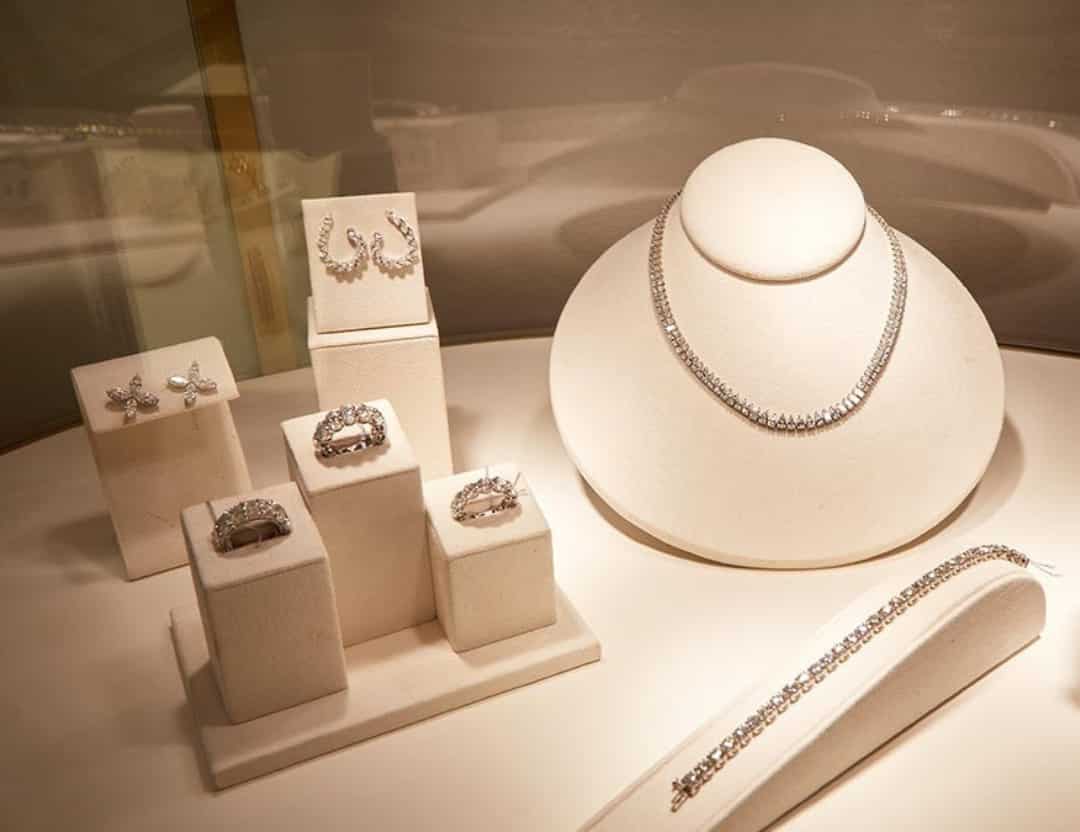
Punta Cana represents a distinctive opportunity for luxury jewelry investment due to its proximity to Larimar’s exclusive source and established diamond and precious metal markets. The three primary investment categories—Larimar, natural diamonds, and gold—each offer distinct risk-return profiles and serve different portfolio objectives. Larimar investments benefit from extreme geographical scarcity and declining supply, natural diamonds provide long-term appreciation through market dynamics and rarity, while gold offers liquidity and inflation protection. Successful investments require understanding authentication methods, identifying certified dealers, and maintaining appropriate time horizons of 5–15 years depending on asset class.
Part 1: Larimar Stone—Caribbean’s Exclusive Blue Gemstone
Market Fundamentals
Larimar exists in only one location globally: Los Chupaderos, a remote mountainous region in Barahona province, Dominican Republic. This monopolistic geographic origin creates a unique value proposition fundamentally different from diamonds or precious metals, which are sourced from multiple locations. Mining conditions are intentionally limited to preserve environmental integrity, with artisanal, hand-based extraction replacing industrial operations. Annual production volumes continue declining as accessible reserves deplete, establishing a supply-constrained market with increasing scarcity premium.
Pricing & Investment Potential
Larimar pricing ranges from $3 per carat for lower-grade stones to $200+ per carat for premium investment-grade material, with typical collector-grade pieces trading at $10–$50 per carat. Investment-grade larimar—defined by deep Caribbean blue coloration (not light sky blue), distinct white wave-like patterns, minimal inclusions, and 4.5–5 Mohs hardness—commands $50+ per carat and shows historical appreciation of 5–15% annually as mining scarcity increases. Unlike diamonds, which are evaluated by standardized 4Cs grading, larimar valuation centers on color intensity, pattern uniqueness, and Dominican origin authentication.
The scarcity driver is quantifiable: only artisanal mining in a single geographic location, combined with declining reserves and environmental protection measures, creates a mathematical supply constraint. As the world’s finite larimar deposits are exhausted, remaining stones appreciates disproportionately. This mechanism parallels “end of supply” investing in rare commodities but with lower market volatility than precious metals.
[Chart 1: Investment Characteristics Comparison]
Authentication & Counterfeiting Risk
Larimar faces a critical challenge: counterfeits represent 60–70% of retail market supply globally. Common forgeries include dyed magnesite, glass imitations, and resin-based synthetics, each lacking genuine larimar’s physical properties. Legitimate authentication requires multiple tests:
Heat Test: Genuine larimar remains cool to the touch for 30–60 seconds due to its specific thermal properties. Fake larimar (resin/glass) warms rapidly.
UV Light Test: Authentic larimar exhibits soft white or greenish-blue glow under blacklight. Synthetic versions show no reaction or unnaturally bright fluorescence.
Hardness & Scratch Test: Real larimar exhibits 4.5–5 Mohs hardness and resists scratches from glass. Overly soft or excessively hard stones indicate counterfeits.
Visual Pattern Analysis: Authentic pieces display natural ocean-wave marbling with unique color gradients (sky blue to turquoise with white streaks). Perfect, repetitive patterns indicate artificial printing or dyeing.
Density Verification: Natural larimar’s specific gravity ranges 2.74–2.90. Laboratory density testing definitively identifies synthetics.
Dealer Selection in Punta Cana
Premium authorized dealers provide origin certification and authentication guarantees:
- Chez Nicole Boutique (established 2005): Specializes in premium larimar with verified Dominican artisan partnerships, provides origin documentation and free hotel pickup services.
- The Larimar Shop (operating since 1998): Longest-established retailer featuring museum-quality collections with authentication certificates from artisan sources.
- Joyeria Las Americas: Specializes exclusively in handcrafted larimar jewelry with detailed color and pattern documentation.
- Harrison’s Fine Caribbean Jewelers: Established reputation for quality pieces with lifetime warranty and custom modification services.
These dealers typically charge premium prices (30–50% above street vendors) but provide written origin certifications, performance guarantees, and professional appraisals—costs justified by authentication certainty and legal recourse.
Part 2: Natural Diamonds—Investment-Grade Purchasing Strategy
Market Structure & Pricing
The global diamond market reached $110 billion in 2025, with natural diamonds representing 75% of total value. Unlike larimar’s scarcity-driven pricing, diamond valuations depend on the standardized 4Cs framework: Cut, Color, Clarity, and Carat weight. Each dimension has quantifiable grades with transparent market pricing.
Investment-grade diamonds commence at 1+ carat, D-F color range (colorless), VVS/VS clarity (very slight to slight inclusions), and excellent cut ratings. Stones meeting these specifications show 15–20% annual appreciation potential, primarily driven by declining mine yields and rising demand. A 2-carat D-color VVS1 stone, for example, concentrates equivalent value to 50 ounces of physical gold in pocket-portable form.
Fancy colored diamonds—particularly pink, blue, and red stones—command exceptional premiums, with appreciation rates up to 200% higher than colorless diamonds due to extreme scarcity (less than 0.1% of mined diamonds). However, colored diamond investments require $250,000+ minimum entry points and expert specialism.
Current Pricing Context
Recent Dominican Republic import data indicates diamond prices at approximately DOP 47,292.79 per carat (roughly $745–$800 USD equivalent depending on specifications). However, this represents retail pricing; investment-grade wholesale pricing should be 20–30% lower. The key principle: negotiate purchases as close to wholesale prices as possible, typically requiring direct engagement with international dealers rather than retail jewelers. A minimum investment threshold of $100,000 is recommended for serious collectors to ensure sufficient stone size and quality for future liquidity.
The 4Cs Framework: Investment Standards
Cut Quality: GIA grades cut from Excellent to Poor. Investment diamonds require “triple excellent” ratings—excellent proportions, polish, and symmetry—which maximize light refraction and brilliance. Even flawless diamonds appear dull if poorly cut. Expert recommendation: never compromise on cut for lower price; poor optics eliminate future appreciation potential.
Color Grades: The D-to-Z scale measures colorlessness, with D being completely colorless (rare and most expensive) through Z with noticeable brown/yellow tint. Investment protocols recommend maintaining minimum H-color grades to avoid noticeable tints to naked eye. Below H-color, resale value diminishes significantly outside specialized collector circles.
Clarity Grades: The GIA 11-grade scale ranges from FL (flawless, no visible inclusions under 10x magnification) to I3 (visible inclusions). Most investors target VS1/VS2 clarity—slight inclusions invisible to naked eye but significantly cheaper than VVS grades. Obsessively pursuing flawless grades (FL/IF) creates 30–50% price premiums with minimal visible quality improvement.
Carat Weight: Larger stones appreciate disproportionately; a 2-carat stone increases exponentially more in price than two 1-carat stones of identical quality. This non-linear relationship means concentrating capital into larger, fewer stones typically generates superior returns.
Certification as Non-Negotiable Requirement
GIA (Gemological Institute of America) certification is the global standard for diamond investment authentication. IGI and AGS provide acceptable alternatives but GIA reports command premium pricing and better international liquidity. Every investment diamond must come with:
- Comprehensive GIA grading report documenting cut, color, clarity, and carat specifications
- Laser-inscribed certificate number on the diamond itself (enabling verification)
- Laboratory documentation of origin and treatments (if any)
Uncertified diamonds lack resale value, making certification costs ($100–$300) immaterial compared to total investment. Reputable dealers provide certificates; any seller reluctant to document stones represents immediate disqualification.
Risk Factors: Market Volatility & Liquidity
Natural diamonds exhibit lower volatility than stocks but face meaningful liquidity challenges compared to gold or equities. Economic downturns reduce luxury goods demand; jewelry represents discretionary spending that contracts during recessions. Price discovery for individual stones is challenging—each diamond is unique, creating negotiated rather than transparent market pricing. Laboratory-grown diamonds (30% cheaper than natural stones) increasingly penetrate investment segments, potentially dampening appreciation for marginal quality natural diamonds.
Strategic mitigation includes: allocating 5–10 year minimum holding periods to survive market cycles, purchasing exceptional stones (top 10% quality) resistant to synthetic competition, and understanding that diamond investments require patient capital rather than short-term speculation.
Part 3: Gold Jewelry—Inflation Hedge and Market Liquidity
Current Market Pricing
As of December 2025, gold trades at approximately $4,322 per troy ounce in USD, or $138.98 per gram for 24-karat gold in the Dominican Republic market. Gold pricing updates daily based on global commodity markets, providing transparent real-time valuation unlike gemstones. The Dominican peso equivalent stands at DOP 274,354.92 per ounce, reflecting current exchange rates.
Gold’s appeal as an investment rests on its dual characteristic: intrinsic bullion value (directly linked to commodity markets) plus potential design/craftsmanship premiums when acquired as finished jewelry. A 24-karat gold ring contains specified grams of pure gold; its minimum value equals spot gold price multiplied by weight, regardless of design quality. Additional premiums accrue if the piece features historical significance, prestigious designer provenance, or exceptional craftsmanship.
Purity Standards & Hallmarking
Gold jewelry quality depends on karat ratings reflecting pure gold content:
- 24k Gold (99.9% pure): Maximum intrinsic value, but excessive malleability creates durability concerns for daily wear rings. Investors prioritize 24k for value certainty.
- 22k Gold (91.67% pure): Sweet spot balancing durability and value; preferred for jewelry intended for wear
- 18k Gold (75% pure): Common in Western jewelry, reduces intrinsic value but enhances structural integrity
- 14k Gold and below: Minimal investment merit beyond craftsmanship value
Investment-grade acquisitions should feature proper hallmark stamps indicating purity and country of origin. Reputable dealers in Punta Cana apply official assay marks certifying karat ratings; any jewelry lacking clear hallmarks requires independent assay testing before investment consideration.
Appreciation Drivers & Market Context
Gold appreciation derives from multiple sources: currency devaluation (gold maintains purchasing power through inflation), geopolitical uncertainty (safe-haven demand during crises), and supply-demand imbalances. Historically, gold appreciates 3–8% annually depending on macroeconomic conditions.
Gold reached over $2,600 per ounce in 2024–2025, establishing records amid economic uncertainty and central bank demand. This elevated pricing creates potential entry point concerns for new investors—current valuations may represent cyclical peaks. Institutional investment strategy recommends averaging entry over 12–24 months rather than lump-sum purchases at market highs.
Investment Strategy: Gold vs. Diamonds & Gemstones
Gold serves a fundamentally different portfolio role than diamonds or larimar. While gemstones appreciate through scarcity and specialization premiums, gold provides liquidity, transparent pricing, and inflation protection. A balanced investment approach allocates portions across all three:
- Gold: 40–50% of jewelry portfolio, for liquidity and inflation hedging
- Natural Diamonds: 30–40%, for long-term appreciation and portability
- Larimar & Specialty Gemstones: 10–20%, for geographic diversification and scarcity appreciation
This allocation maintains meaningful exposure to rare asset appreciation while preserving portfolio liquidity through gold positions.
Part 4: Purchasing Framework & Dealer Due Diligence
Authorized Dealer Network in Punta Cana
Little Switzerland (Hard Rock Hotel & Casino location): Authorized retailer of GIA-certified diamonds, David Yurman luxury collections, and lab-created diamond specialists. This location provides internationally recognized credential certifications and personalized consultation services from knowledgeable staff.
Chez Nicole Boutique: Established 2005, specializes in premium larimar jewelry with organic wellness products and handmade Dominican crafts. Free hotel pickup services enable convenient access from resort accommodations.
The Larimar Shop: Operating continuously since 1998, represents the longest-established larimar retailer with museum-quality collections authenticated by artisan sources.
Harrison’s Fine Caribbean Jewelers: Noted for exceptional quality pieces, personal attention to individual preferences, and lifetime performance guarantees. Offers ring resizing and custom modification services.
Taino Shop: Elevated gift-shopping experience emphasizing artisan quality with curated larimar selections and blue topaz alternatives.
Dealer Vetting Checklist
Before purchase, verify dealer legitimacy through:
- Years of Operation: Minimum 5+ years in current location indicates stability and reputation investment
- Certification Access: Confirmed partnerships with GIA, authorized diamond distributors, or documented artisan suppliers
- Return Policies: Written guarantees offering authentication verification, insurance, or purchase price refund within specified periods
- Transparent Pricing: Willingness to discuss markup margins (typically 50–100% retail above wholesale for gemstones)
- Documentation Provision: Immediate provision of certificates, provenance documentation, and appraisals
- Professional Appraisals: In-house or partner gemologist certifications available for high-value pieces
Avoid dealers operating from informal markets, street vendors, or temporary locations. These sources account for counterfeits and fraudulent authentications.
Part 5: Tax Implications & Cross-Border Considerations
Import Tariffs & Duty Structure
Jewelry purchased in the Dominican Republic for personal export faces tariff implications depending on destination country. The United States imposes particularly complex tariff structures:
- Loose Diamonds: 10–27% duty (previously tariff-free)
- Precious & Semi-Precious Gemstones (including larimar): 27% tariff
- Finished Jewelry: 15–17% for most metals; up to 32–34% for targeted sourcing countries
- Raw Gold/Silver Bullion: Tariff-exempt; finished jewelry subject to 15–17% duty
EU member states typically charge 5–10% value-added tax (VAT) on jewelry imports, while Canada and Mexican imports receive duty-free treatment under USMCA agreements. Australia applies 10% GST; New Zealand 15% GST.
The practical implication: jewelry purchased at $10,000 USD value may incur $2,700 additional costs upon import to the United States due to tariff obligations. Purchasers must account for these costs in investment return calculations and obtain detailed cost-of-goods documentation for customs declaration purposes.
Tax Reporting for Collectors
Jeweled investments typically fall under “collectibles” tax classifications, subjecting capital gains to preferential tax rates in some jurisdictions (U.S. federal rate: 28% for collectibles vs. 15–20% for long-term capital gains). Documentation requirements include:
- Purchase date, seller identity, and acquisition price (cost basis)
- Periodic professional appraisals (recommended every 2–3 years)
- Insurance documentation and secure storage records
- Sale transaction details including buyer identity and sale price
Maintaining meticulous records enables accurate capital gains calculation and simplifies tax compliance upon liquidation.
Part 6: Storage, Insurance & Risk Management
Secure Storage Solutions
High-value jewelry investments require secure storage beyond home safes. Recommended approaches include:
- Bank Safety Deposit Boxes: Annual rental typically $50–$200 depending on size; provides institutional security and insurance verifiability. Access limitations require advance planning for viewing.
- Private Vault Services: Specialized jewelry storage facilities offer climate control, insurance packages, and 24/7 access. Costs range $500–$2,000 annually for moderate collections.
- Home Safes: Anchored safes rated for jewelry provide convenient access but offer inferior security against professional theft. Ideal for occasional-access pieces only.
Insurance requirements become critical at $50,000+ investment levels. Standard homeowner’s policies cap jewelry coverage at 1–2% of total insurable value. Specialized jewelry insurance provides:
- Full replacement cost coverage
- No deductibles (standard policies require)
- Worldwide coverage for pieces in transit
- Coverage for mysterious disappearance (not just theft)
Annual insurance costs typically range 0.5–1% of insured value—reasonable protection against catastrophic loss.
Part 7: Market Risks & Investment Discipline
Counterfeiting Risk Quantification
Larimar markets face particularly acute counterfeiting challenges, with estimated 60–70% of retail pieces globally being fraudulent. Dominican Republic authorities lack comprehensive enforcement mechanisms for artisan-level sales. Mitigation requires exclusive purchasing from certified dealers providing written authenticity guarantees and professional documentation.
Market Volatility & Economic Sensitivity
Luxury jewelry investments exhibit pro-cyclical behavior: economic expansions increase demand and prices while recessions create forced liquidations and pricing pressure. The 2008–2009 financial crisis witnessed 30–40% jewelry price declines as consumers deleveraged. Long-term investment horizons (5–15 years) provide cushioning against cyclical downturns.
Liquidity Constraints
Unlike stocks or bonds with daily pricing, jewelry sales require negotiation and time. Selling investment-grade diamonds typically requires 30–90 days for buyer sourcing and verification. Larimar pieces face extremely limited resale markets outside Dominican Republic tourism contexts. Gold provides superior liquidity through bullion dealers and commodity markets but at discounted prices relative to jewelry retail.
Liquidity Hierarchy: Gold > Diamonds > Larimar
Part 8: Portfolio Allocation Strategy
Conservative Allocation Model (Risk-Averse Investors)
- Gold jewelry: 60%
- Natural diamonds: 30%
- Larimar/specialty gemstones: 10%
- Minimum investment: $25,000–$50,000
This allocation prioritizes liquidity and inflation protection while maintaining meaningful appreciation exposure through diamonds.
Balanced Allocation Model (Moderate Risk Tolerance)
- Natural diamonds: 50%
- Gold jewelry: 30%
- Larimar/specialty gemstones: 20%
- Minimum investment: $50,000–$100,000
This structure balances long-term appreciation potential with liquidity and geographic diversification.
Aggressive Allocation Model (High-Risk Tolerance, Long Time Horizon)
- Larimar gemstones: 40%
- Natural diamonds: 40%
- Gold jewelry: 20%
- Minimum investment: $100,000+
This allocation maximizes scarcity-driven appreciation for collectors willing to accept liquidity constraints and longer holding periods.
Part 9: Due Diligence Checklist for Acquisitions
Before any significant purchase, execute this verification protocol:
- Seller Credentials
- Minimum 5+ years operation in current location
- Licensed business registration in Dominican Republic
- References from previous customers (minimum 3 verified contacts)
- Partnership with recognized international gemological institutions
- Product Documentation
- Notarized certificate of authenticity with description
- Professional appraisal from independent gemologist
- Photographic documentation with measurement references
- Written guarantee specifying conditions and duration
- Pricing Verification
- Comparative pricing from minimum 2 additional dealers
- Cost-of-goods breakdown (material + craftsmanship + margin)
- Market research on spot prices for precious metals/gemstones
- Written discount or markup disclosure
- Payment & Legal Protection
- Written contract specifying terms, conditions, and guarantees
- Receipt documenting item description, price, and date
- Credit card or insured payment method (avoid cash-only transactions)
- Insurance documentation for transport to home country
- Post-Purchase Documentation
- Professional insurance appraisal (different from seller’s appraisal)
- Photographs for insurance records
- Secure storage documentation
- Calendar reminders for periodic re-appraisals (every 2–3 years)
Punta Cana presents a compelling environment for luxury jewelry investment due to exclusive larimar sourcing, established diamond retail infrastructure, and current favorable gold pricing. Success requires strategic asset allocation across three complementary categories: larimar for scarcity-driven long-term appreciation, natural diamonds for market-driven value growth and portability, and gold for inflation protection and liquidity.
The defining requirement separating successful investors from collectors is ruthless authentication discipline. Counterfeits, misrepresented quality, and inflated pricing plague jewelry markets globally. Exclusive purchasing from certified dealers providing documented provenance, professional certifications, and written guarantees eliminates 80% of investment risk.
Time horizons of 5–15 years allow market cycles to mature, scarcity premiums to compound, and initial transaction costs to become immaterial relative to appreciation gains. Premature liquidation within 3–5 years typically results in nominal losses after accounting for dealer markups, transaction costs, and insurance expenses.
For investors with adequate capital ($50,000+), diversified jewelry portfolios offer meaningful portfolio diversification, tangible asset ownership, and historical inflation protection that institutional investment portfolios cannot replicate.